
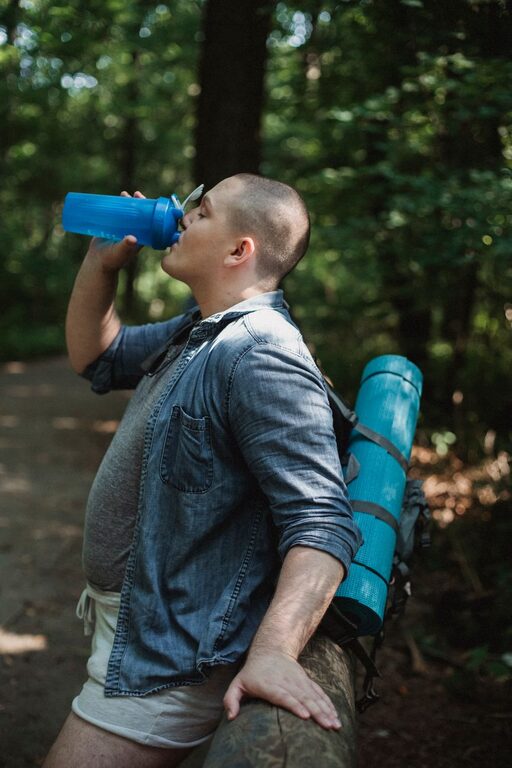
Staying hydrated can make a walk or day trip more comfortable, especially when you are spending several hours outdoors. Warm weather, steady movement, dry air, and limited access to water can all make it easy to forget to drink.
With a little planning, you can carry enough water, make regular drink breaks part of your outing, and avoid common problems such as running out too early or carrying more than you need. These practical tips work for neighborhood walks, nature trails, sightseeing trips, and family outings.
Start With a Simple Water Plan
Before leaving, consider where you are going, how long you will be out, and what facilities may be available. A short walk near home requires a different plan from a full-day trip to a park or trail.
Ask yourself:
– How many hours will I be away?
– Will there be refill stations, stores, or cafes?
– Is the route shaded or exposed?
– Will the weather be warm, windy, or dry?
– Am I traveling alone or with a group?
– Does anyone in the group need extra water?
A route map, park website, or visitor information page may show water fountains and rest areas. However, it is wise not to depend entirely on one refill point. A fountain may be closed, crowded, or farther away than expected. When in doubt, bring a little extra.
Choose a Container That Fits the Trip
The best water bottle is one you will actually carry and use. Your choice depends on the length of the outing, your bag, and how easy you want drinking to be while walking.
Water bottles
Reusable bottles are simple and widely available. A wide-mouth bottle is easy to fill and clean, while a narrow-mouth bottle may be more comfortable to drink from while moving. Look for a secure lid to prevent leaks inside your bag.
Hydration packs
A hydration pack holds water in a soft reservoir with a drinking tube. It can be useful on longer walks because you can take small sips without stopping or removing a bottle. Make sure the pack fits comfortably and that the tube is easy to reach.
Collapsible bottles
Collapsible bottles take up less space once empty. They are helpful when your day trip includes places where you can refill along the way. Choose a sturdy design that stands securely when full and does not easily tip over.
Insulated bottles
An insulated bottle can keep water cool for longer. This may be especially welcome on warm days, although insulated bottles can be heavier than basic plastic or lightweight metal options.
Carry Enough Without Overpacking
Water is essential, but carrying too much can make a walk tiring. Plan around the route and refill opportunities rather than automatically taking the largest container available.
For a short outing, one bottle may be enough. For a longer trip, consider carrying a larger bottle or a second container. If you are going with children or a group, give each person a bottle when possible. Sharing one bottle can lead to confusion and may leave someone without water.
Pack water where it is easy to reach. Side pockets, front pockets, or a hydration pack are often more convenient than placing a bottle at the bottom of a backpack. If you need to stop and unpack your bag every time you drink, you may wait too long between sips.
Drink Regularly Instead of Waiting
Many people remember to drink only when they feel very thirsty. During an active day, it can be easier to make drinking part of your routine.
Try taking a few sips:
– Before starting the walk
– During regular rest breaks
– When you stop to check a map or take photos
– Before and after a meal
– Whenever you notice a dry mouth or feel unusually tired
There is no need to turn your walk into a strict schedule. A simple reminder every so often can help. Set an alarm on your phone, use a watch reminder, or connect drinking with regular landmarks along the route.
Small, regular sips are often more convenient than stopping for a large amount at once. They also help you keep track of how much water remains in your container.
Make Water Easy to Enjoy
Plain water is a practical choice for most walks and day trips. If you find it unappealing, small changes may make it easier to drink more often.
Consider adding:
– Lemon or lime slices
– Fresh mint
– Cucumber slices
– A small amount of fruit for flavor
– Ice cubes before leaving
Use a clean container and keep it closed when you are not drinking. If you add fruit or herbs, wash them first and keep the bottle cool when possible. Clean the bottle after the trip, paying special attention to the lid, mouthpiece, and drinking tube.
For longer or more demanding outings, some people choose a beverage with added flavor or electrolytes. These products are not necessary for every walk, and water remains a convenient everyday option. Check the label if you are trying to limit sugar or caffeine.
Plan for Warm and Sunny Weather
Heat can increase the need to think carefully about water. On hot days, choose a route with shade when possible and plan your walk for a cooler part of the morning or evening.
Helpful strategies include:
– Wear light, comfortable clothing
– Use a hat or sun protection
– Take breaks in shaded areas
– Avoid leaving water in a hot car
– Bring more water than you would on a cool day
– Check the forecast before you leave
A frozen bottle can help keep other drinks cool as it melts. Wrap it in a cloth or place it in an insulated bag to reduce condensation inside your backpack.
Pack Backup Options
A little preparation can prevent a minor inconvenience from ending your outing early. If your route is remote or facilities are limited, bring a backup container or a small water pouch.
You may also want to pack:
– A resealable bag for wet items
– A light snack
– A map or downloaded route
– A portable phone charger
– A small towel
– A clean cup for sharing water
– Cash or a payment method for a refill stop
If you are traveling with a car, keep extra water available for the journey home. Do not rely on a bottle that has been sitting in direct sunlight for hours; pack a fresh supply or refill it before leaving.
Know When to Take a Break
Hydration is only one part of staying comfortable outdoors. If you feel unusually tired, overheated, dizzy, or unwell, stop walking and move to a cooler, safer place. Tell someone in your group how you feel, drink water slowly, and reassess your plans.
Do not push ahead simply to finish a route. Turn back, find help, or contact local emergency services if a situation feels serious. It is always better to shorten a trip than to ignore warning signs.
Build Hydration Into the Fun
Drinking water does not have to interrupt your day. Plan a cafe stop, picnic break, scenic rest, or refill point into the route. These pauses give everyone time to drink, check supplies, and enjoy the surroundings.
Before heading home, refill bottles if needed and take a quick look at your remaining supplies. With a suitable container, regular drink breaks, and a little awareness of the weather and route, staying hydrated becomes an easy part of any walk or day trip.