
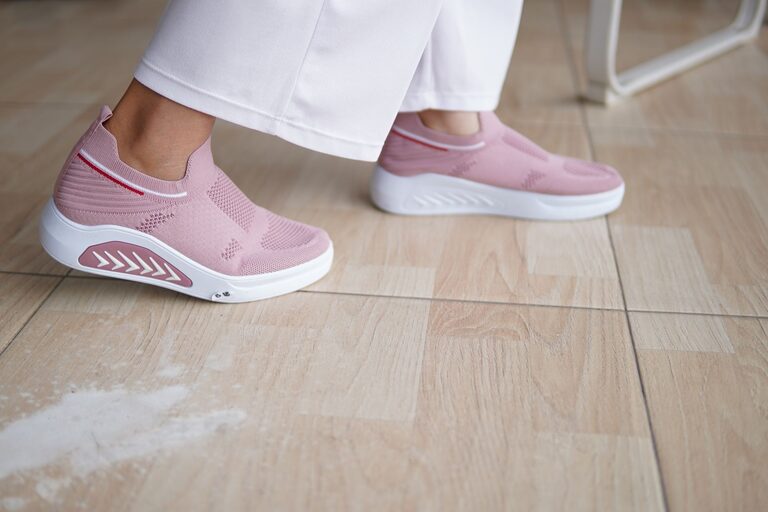
Walking is one of the easiest ways to stay active, run errands, and get around during the day. The right shoes can make these activities more comfortable and enjoyable, while the wrong pair may feel stiff, heavy, or irritating after only a short time.
Choosing comfortable everyday walking shoes is not only about appearance. Fit, cushioning, flexibility, breathability, and durability all matter. This guide explains what to look for before you buy and how to test a pair properly.
Start With the Right Fit
A comfortable shoe should fit your feet without squeezing, slipping, or creating pressure points. Shoe sizes can vary between brands and styles, so avoid choosing a pair based only on the number printed on the box.
When trying on shoes:
– Shop later in the day, when feet may be slightly larger than in the morning.
– Wear the socks you plan to use with the shoes.
– Try on both shoes, since one foot may be slightly larger than the other.
– Stand and walk around the store for several minutes.
– Make sure your toes can move comfortably.
– Check that your heel stays in place without rubbing.
Your longest toe should have a little space in front of it. The shoe should not feel tight across the toes or require a long break-in period to become wearable. Shoes that feel uncomfortable in the store are unlikely to become ideal with regular use.
Check the Width
Length is only one part of a good fit. A shoe that is the correct length may still be too narrow or too wide.
Look for a shape that follows the natural outline of your foot. The widest part of your foot should sit comfortably within the widest part of the shoe. If the sides bulge over the sole, the shoe may be too narrow. If your foot slides from side to side, it may be too wide or lack a secure fastening system.
Many brands offer different width options. If you often struggle to find a comfortable fit, trying another width may be more useful than simply moving up or down in length.
Look for Comfortable Cushioning
Cushioning affects how a shoe feels as your feet contact the ground. Some people prefer a soft, padded feel, while others like a firmer and more responsive sole.
There is no single cushioning level that works for everyone. The important point is that the shoe feels comfortable and stable during a normal walk.
Consider these features:
– A cushioned insole for added softness
– A shock-absorbing midsole made from a lightweight foam
– Enough padding around the heel and tongue
– A sole that protects your feet from hard or uneven surfaces
Very soft shoes can feel pleasant at first but may not feel stable for everyone. Very firm shoes may provide a more grounded feel but can seem uncomfortable if you are used to more cushioning. Walk in both shoes and compare how they feel through your entire step.
Choose a Supportive, Stable Design
Everyday walking shoes should feel secure without being stiff. A stable design helps keep your foot comfortably positioned as you move through different surfaces and speeds.
Look for a firm heel area that holds the back of your foot in place. The shoe should also bend near the front, where your foot naturally flexes. A sole that bends easily in the middle may not provide enough structure for comfortable walking.
A wide, steady base can also make a shoe feel more balanced. Avoid styles that twist excessively from side to side, especially if you plan to wear them for long walks or busy days.
Test the Shoe’s Flexibility
Hold the shoe at both ends and gently bend it. It should flex near the front of the foot rather than folding completely in the middle.
You can also test flexibility by walking up and down a few steps or across a hard floor. The shoe should move naturally with your foot while still maintaining its shape.
Consider Breathable Materials
Feet can become warm during everyday activities, particularly in hot weather or when you are walking for several hours. Breathable materials allow air to move through the upper part of the shoe and may help keep your feet more comfortable.
Common options include:
– Mesh for lightweight airflow
– Woven fabric for a soft, flexible feel
– Leather for structure and durability
– Synthetic materials for easy cleaning and water resistance
Each material has advantages. Mesh is often cool and light but may be less protective in wet conditions. Leather can be durable and polished but may feel warmer. Synthetic materials vary widely, so inspect the shoe’s construction rather than relying only on the material label.
Pay Attention to the Outsole
The outsole is the bottom part of the shoe that meets the ground. It should provide reliable traction for the surfaces you use most often, such as sidewalks, indoor floors, pavement, or light trails.
Check the tread pattern and rubber coverage. A smooth sole may work well indoors but offer less grip outdoors. A heavily patterned sole may provide more traction but could feel unnecessary for regular city walking.
The outsole should also be durable enough for your routine. If you walk frequently, look for sturdy construction in areas that receive the most contact, such as the heel and front of the foot.
Pick the Right Fastening System
The way a shoe closes affects both comfort and security.
Lace-Up Shoes
Laces offer the most adjustable fit. You can loosen them over the toes or tighten them around the middle of the foot. They are a practical choice for long walks and active days.
Slip-On Shoes
Slip-on styles are convenient for quick errands and casual wear. Look for a secure heel and a design that does not slide around as you walk. A flexible upper can improve comfort, but the shoe should still hold your foot in place.
Hook and Loop Closures
These closures are easy to adjust and can be useful when you want a quick, customized fit. Check that the straps are long enough and do not press against the top of your foot.
Match the Shoes to Your Routine
Think about where and how you will wear the shoes. A lightweight sneaker may be ideal for commuting, shopping, and indoor use. A more durable walking shoe may be better for long outdoor routes or mixed surfaces.
Ask yourself:
– How many hours will I wear these shoes at a time?
– Will I walk mostly indoors or outdoors?
– Do I need water resistance?
– Will I use them in warm or cold weather?
– Do I need to pack them for travel?
– What type of socks will I wear?
Choosing shoes based on your actual routine helps prevent buying a pair that looks appealing but does not meet your everyday needs.
Inspect the Construction
Before buying, examine the shoe closely. Seams should be smooth and secure, with no rough edges that may rub against your skin. The insole should sit flat, and the sole should be attached evenly.
Compare both shoes for shape and construction. Look for signs of poor finishing, such as loose threads, uneven glue, or a warped sole. These details may affect how long the shoes remain comfortable.
A removable insole can be convenient if you prefer to use a different insert or need extra room inside the shoe. However, make sure the replacement does not make the shoe too tight.
Do Not Ignore Your First Impression
Comfort should be immediate. You should not need to tolerate pinching, rubbing, or pressure while hoping the shoes will improve later. Some materials may soften slightly with use, but a poor fit usually remains a poor fit.
Walk on different surfaces if possible. Pay attention to whether your feet slide, whether the heel lifts, and whether the sole bends naturally. If the shoes feel balanced and comfortable from the beginning, they are more likely to work well for everyday walking.
Care for Your Walking Shoes
Even well-made shoes need regular care. Allow them to air out after use, clean them according to the manufacturer’s instructions, and avoid exposing them to excessive heat. Rotating between two pairs can give each pair time to dry and recover its shape.
Inspect the tread, cushioning, and upper material from time to time. If the shoes are visibly worn, no longer feel comfortable, or have lost their shape, it may be time to replace them.
The best everyday walking shoes are the ones that fit well, feel secure, suit your routine, and remain comfortable from the first step to the last. Take time to try on different styles, and focus on how they feel rather than choosing based only on color or brand.