
A comfortable home does more than look attractive. It should also support the activities that help you recharge, stay creative, and enjoy your free time. Whether you like reading, painting, playing music, crafting, gaming, or simply relaxing with a cup of tea, a few thoughtful changes can make your space more enjoyable.
You do not need a large home or a complete renovation. The key is to create areas that are easy to use, pleasant to spend time in, and organized around the hobbies you enjoy most.
Start With the Way You Use Your Space
Before buying furniture or storage, think about how you want your home to feel and function. Consider the activities you already enjoy and the ones you would like to make more time for.
Ask yourself:
– Where do you naturally relax?
– Which hobbies need a dedicated surface or table?
– Do you prefer bright, open spaces or cozy, enclosed corners?
– What items do you use often but leave out of reach?
– Which areas feel cluttered or difficult to use?
Your answers can help you choose the right location for a hobby area. A spare room is useful, but it is not required. A corner of the living room, part of a bedroom, or a section of a home office can work just as well.
Create a Dedicated Hobby Zone
A dedicated hobby zone gives your activities a clear place in your home. It also makes it easier to begin because you do not have to clear a table or gather supplies every time.
The area can be as simple as:
– A comfortable chair beside a small table
– A desk with drawers for creative supplies
– A shelf for books, games, or collectibles
– A compact table for puzzles and crafts
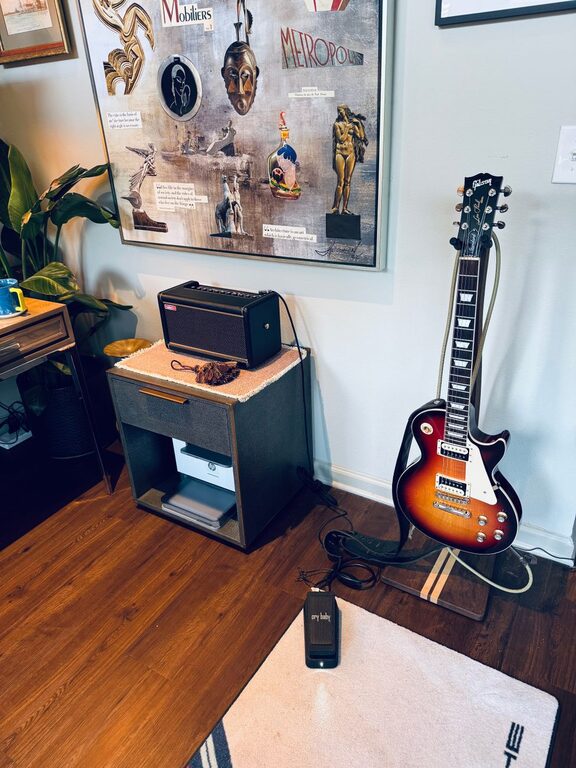
– A music corner with space for an instrument
– A floor cushion area for journaling or quiet reading
Try to keep the items you use most within easy reach. Open shelving, baskets, and rolling carts can make supplies accessible without making the room look untidy.
If your space serves several purposes, choose furniture that can be folded, moved, or stored easily. A folding table, nesting tables, or a desk with closed storage can help you switch from hobby time to everyday use.
Improve Seating for Long, Comfortable Sessions
Comfortable seating is one of the most important parts of a relaxing home. The best choice depends on your hobby and how you like to spend your time.
For reading or listening to music, consider a supportive armchair with a nearby table and a place to rest your feet. For crafting or writing, select a chair that allows you to sit comfortably at a suitable-height work surface. If you enjoy board games or puzzles, choose seating that works well around a table.
Add simple comfort features such as:
– A soft throw blanket
– A cushion that provides extra support
– A footstool or ottoman
– A side table for drinks and accessories
– A small pillow for added comfort
Avoid filling the room with too much furniture. Leave enough space to move around easily and keep the area feeling open.
Use Lighting That Matches the Activity
Good lighting can make a hobby area more useful and inviting. Natural light is ideal during the day, so place reading chairs, desks, or creative work areas near a window when possible.
For evening use, combine several types of lighting:
General Lighting
Ceiling lights or floor lamps provide overall brightness. Choose warm, comfortable light for living areas where you want a relaxed atmosphere.
Task Lighting
A desk lamp, adjustable floor lamp, or clip-on light can provide focused illumination for reading, drawing, sewing, puzzles, or detailed projects. Position the light so it does not create glare or cast a strong shadow over your work.
Accent Lighting
Table lamps, wall lights, and small decorative lights can make a room feel welcoming. They are especially useful when you want a softer setting for music, conversation, or quiet time.
Using more than one light source allows you to adjust the room to suit different activities throughout the day.
Make Storage Easy to Maintain
Hobbies often come with supplies, tools, books, equipment, or unfinished projects. Without a storage plan, these items can quickly take over a room.
Choose storage based on how often you use each item:
– Keep everyday supplies in open bins or nearby drawers.
– Store occasional-use items in labeled containers.
– Use shelves for attractive items you enjoy displaying.
– Place delicate or small pieces in boxes with dividers.
– Keep unfinished projects together in a basket or tray.
Clear labels can save time, especially when several containers look alike. If you share the space with other household activities, choose storage that can be closed at the end of the day.
A rolling cart is a flexible option for hobbies that move from room to room. It can hold craft materials, books, games, or art supplies and be tucked away when not needed.
Choose Colors and Textures That Feel Inviting
Color and texture influence the mood of a room. Soft, natural shades can create a calm background, while brighter colors may add energy to a creative space.
You can refresh a room without repainting by adding:
– A small area rug
– Curtains or fabric blinds
– Coordinated cushions
– A cozy blanket
– Wall art or framed prints
– Plants or natural decorations
Choose materials that are pleasant to touch and practical for the room. Washable covers and durable fabrics are helpful in busy areas. A few carefully selected textures can make a space feel warm without creating visual clutter.
Reduce Distractions When You Want to Relax
A comfortable hobby area should support focus as well as relaxation. If noise, clutter, or screens make it difficult to settle down, make a few adjustments.
You might:
– Place storage behind doors or inside cabinets.
– Use a room divider to define a quiet corner.
– Keep charging cables organized and out of sight.
– Move televisions or other screens away from a reading area.
– Add curtains or a rug to create a softer, calmer atmosphere.
– Keep a small tray nearby for items that tend to collect on surfaces.
The goal is not to remove every distraction. Instead, create an environment where you can choose whether to focus, socialize, or unwind.
Make the Space Flexible
Your needs may change from one day to the next. A room that supports several activities will be more useful than one designed for only a single purpose.
Look for flexible solutions such as:
– A desk that doubles as a writing and crafting station
– An ottoman with hidden storage
– A daybed that works for sitting and resting
– Lightweight furniture that is easy to move
– A table with an adjustable or folding surface
– Shelves that can hold both practical items and decorations
When furniture is flexible, you can adapt the room for reading, creative work, games, or visiting guests without a major rearrangement.
Build Comfort With Small Daily Habits
The most comfortable hobby space is one you can easily reset. Spend a few minutes after each session returning supplies to their usual places, clearing surfaces, and preparing the area for next time.
Keep a small basket nearby for items that need to be put away elsewhere. If you often stop in the middle of a project, use a tray, folder, or storage box to keep everything together.
Finally, personalize the space with items that make you happy. A favorite mug, a collection of books, a piece of artwork, or a meaningful photograph can make the area feel like your own.
Enjoy a Space Designed Around You
A comfortable home does not require expensive furniture or a large remodeling project. By creating a dedicated hobby zone, improving lighting, choosing supportive seating, and making storage simple, you can make everyday relaxation easier.
Start with one area and one activity. Add comfort gradually, keep the space organized, and adjust it as your interests change. The result will be a home that not only looks welcoming but also helps you make more time for the things you enjoy.